
Certified Mac Data Erasure: How We Wipe Macs for Reuse, Not the Shredder
Every erased Mac includes
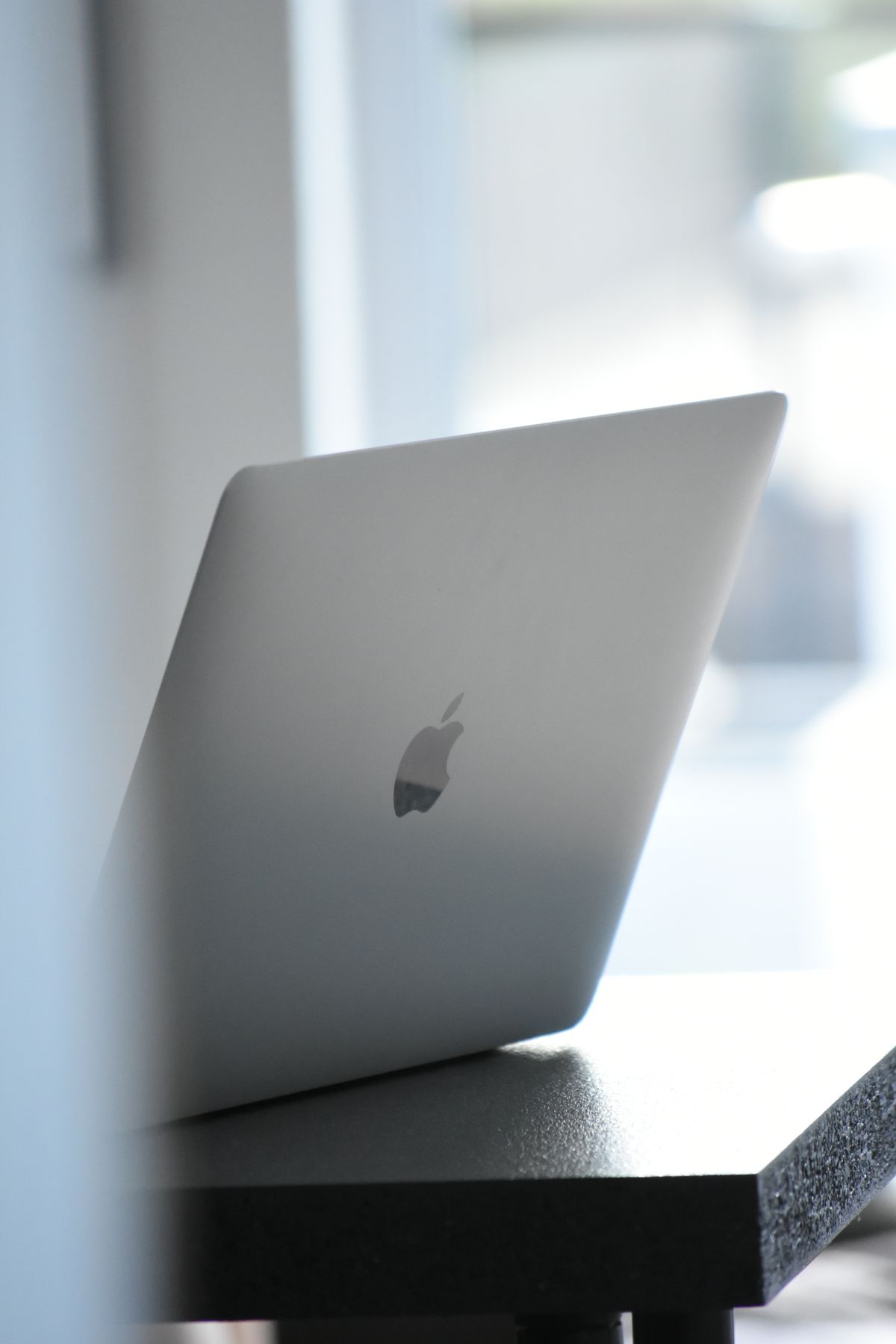
eWaste Solutions has expanded its capabilities to deliver standards-based, documented data erasure for Macs using BitRaser Drive Eraser by Stellar. Previously, organizations retiring Macs with soldered SSDs faced a difficult choice between a standard macOS factory reset or physical shredding. While a basic reset clears internal storage, it lacks formal verification, offers no audit trail, and provides zero proof for compliance officers. While physical destruction guarantees security, it reduces functional devices to mere scrap and contributes to e-waste.
Now, through our BitRaser implementation, our technicians sanitize Apple Silicon (M1 through M5), T2, T1, and Intel-based Macs using NIST SP 800-88 and IEEE 2883:2022 Clear and Purge standards. We perform verification checks following every wipe and issue a tamper-proof certificate for each device. This process allows your team to safely choose to reuse or donate retired Apple laptops rather than sending them to the shredder. With your data protected, functional devices remain in use longer, maximizing your asset value recovery, and improving sustainable outcomes for retired IT equipment.
This article answers the questions our clients ask most about how we sanitize Macs, the proof you receive and whether a Mac still needs to go to the shredder.
What software does eWaste Solutions use to wipe Macs?
We use BitRaser Drive Eraser for Mac, made by Stellar. It is certified data-erasure software with a cloud console that manages our licenses and stores every erasure report. The same Mac app also runs hardware diagnostics, so we can confirm a Mac works before it moves on to reuse.
For PCs, servers and loose drives, we use BitRaser Drive Eraser, the same platform with the same reporting.
What does certified Mac erasure mean for your organization?
Clients receive documented, standards-based data sanitization for every Mac you retire, not just a reset or a pile of shredded parts.
- Less e-waste. Every Mac that’s erased and reused instead of shredded stays in service, which supports your organization’s sustainability goals as well as ours.
- Proof for every device. Each Mac gets its own erasure certificate, stored in our cloud console.
- More value back. Erased Macs stay fully working, so they can be reused, resold or donated through our IT asset disposition program instead of shredded.
- Every Mac model in your fleet. Apple Silicon (M1 through M5), T2, T1 and Intel Macs, plus PCs and loose drives.
What can we do now that we couldn't before?
- Erase Macs with soldered SSDs. Most modern Macs have storage built into the logic board. We can now sanitize that storage in place rather than send them to the shredder.
- Detect MDM enrollment before the wipe. The software checks whether a Mac is enrolled in Apple MDM and shows it as Locked or Unlocked.
- Process Macs in bulk. We erase multiple Macs in parallel, with erasure and diagnostics running at the same time.
- Run built-in Mac diagnostics. Automated and manual hardware tests confirm the Mac is fully working.
- Produce reports automatically. Reports are generated for every device in PDF, CSV or XML and stored centrally.
- Tie reports to your assets. Erasure records flow into our asset tracking system, so each certificate matches the device on your inventory.
Which sanitization method do we use, and does it follow NIST 800-88?
We run NIST SP 800-88 Purge on every Mac we erase. Purge protects against recovery even with laboratory techniques, which is the level most regulated clients require.
BitRaser supports NIST 800-88 Clear and Purge and IEEE 2883:2022 Clear and Purge, among more than 20 global erasure standards. It follows NIST 800-88 in three ways:
- It runs the methods NIST defines. Clear and Purge are carried out as the guideline describes.
- It verifies the result. Each erasure is checked after it finishes.
- It documents each sanitization. Every device gets a certificate recording what was done.
NIST published SP 800-88 Revision 2 in September 2025, replacing Revision 1. Clear, Purge and Destroy remain the three sanitization methods. Rev. 2 shifts the focus to running a documented sanitization program, with verification and records built in. Clients receive a certificate for each device for their documentation.
NIST has published test results for BitRaser as a forensic media preparation tool.
How is this different from how we handled Macs before?
Before BitRaser, Macs were either reset with macOS’s built-in erase or physically shredded. A factory reset isn’t verified and leaves no audit trail, so there’s no proof the data is gone. Shredding was secure, but it destroyed devices that still had a useful life.
Now every Mac gets a standards-based erasure, a verification check and an automatically generated certificate. Shredding is reserved for devices that can't be erased and verified.
Does it support the compliance standards we already follow?
Yes. Our process is built around R2v3 and NIST 800-88. BitRaser’s per-device reports document each erasure in a way that supports HIPAA, GLBA and GDPR obligations, and Stellar designs the reports to support SOX, CCPA, PCI DSS and ISO 27001 as well.
No vendor can make your organization compliant on its own. A verified erasure and a per-device certificate document how your data was sanitized, which is the evidence auditors ask for.
Does it detect Activation Lock, Find My Mac and firmware passwords?
BitRaser automatically checks Apple MDM enrollment before erasure, shows the Mac as Locked or Unlocked and records that status in the report.
Our technicians check for Find My Mac, Activation Lock and firmware passwords by hand at intake. If a Mac is locked, we’ll ask you to release it from Apple Business Manager or the Apple account it’s tied to before we erase it.
How is each erasure verified, and what does the certificate show?
After each erasure, BitRaser verifies the result using random or total verification. It then generates a tamper-proof certificate and saves it to our cloud console.
Each certificate records:
- Device and drive identification
- Erasure method used
- Verification result
- Date of erasure
- Technician who performed it
- Asset tag
- MDM status
- Custom fields you need, such as your company name or job number (up to 20)
Certificates carry the eWaste Solutions logo and can be delivered as PDF, CSV or XML.
What happens if a Mac or drive can't be erased?
It goes to the shredder. If a wipe fails, the report records the reason. Any device that can’t be erased and verified is routed to physical destruction, and you receive a Certificate of Destruction listing it by serial number. Shredded material then goes through our certified recycling process to recover metals and other materials.
Either way, every device is accounted for in your records.
Are there other Mac-specific security concerns?
Yes, and they're the reason this matters.
- Soldered storage. Modern Macs have SSDs built into the logic board. The drive can't be pulled for shredding without destroying the whole Mac.
- Native resets can leave traces. Built-in erase options aren't designed to produce verified, documented sanitization.
- Apple security chips. BitRaser supports the T1, T2 and Apple Silicon security architecture.
- No USB drive required. For Apple Silicon, T2, and T1 hardware, technicians execute a single terminal command in macOS Recovery for fast deployment and eliminating external boot media.
- Working Macs, confirmed. Diagnostics check the hardware before a Mac goes back into use or out for resale.
Side-by-side Comparison
| Factory Reset | Certified Erasure (BitRaser) | Physical Destruction | |
|---|---|---|---|
| Verified and documented to a recognized standard? | No | Yes, NIST 800-88 Purge | Yes, NIST 800-88 Destroy |
| Is the result verified? | No | Yes, after every erasure | Confirmed by destruction |
| What proof is received? | None | Per-device erasure certificate | Certificate of Destruction by serial number |
| Does the Mac still work afterwards? | Yes | Yes, confirmed by diagnostics | No |
| Can it be reused, resold or donated? | Not with documented assurance | Yes | No, materials are recycled |
| Environmental outcome | Device may be reused, but without proof the data is gone | Device stays in use | Materials recycled |
| Best fit | Not recommended for business devices | Working Macs you want to reuse or recover value from | Damaged Macs, failed wipes, or policies that require destruction |
Questions to Ask Any Vendor About Mac Data Erasure
- Can you erase Macs with soldered SSDs, including Apple Silicon M-series models?
- Which NIST 800-88 method do you run, Clear or Purge, and do you verify every erasure?
- Do you issue a separate certificate for every Mac, with serial number and asset tag?
- How do you handle Macs locked by MDM, Activation Lock or a firmware password?
- What happens to a Mac that fails erasure?
- Are you R2v3 certified in your own name?
eWaste Solutions is R2v3 and RIOS certified in our own name, at our own facility in Plymouth, Massachusetts. We're also registered with the U.S. State Department's DDTC under ITAR (M-53509).
Frequently Asked Questions
Is a macOS factory reset enough to sanitize a business Mac?
No. A factory reset isn’t verified and leaves no audit trail, so you can’t show an auditor the data is gone. Certified erasure runs a NIST 800-88 method, verifies it and documents it.
Can you wipe Apple Silicon Macs like the M4 and M5?
Yes. We erase Macs with Apple Silicon M1 through M5, T2 and T1 chips, as well as Intel-based Macs.
Will the Mac still work after erasure?
Yes. Certified erasure removes the data, not the Mac's function. Diagnostics confirm the hardware works before it's reused or resold.
Do I need to remove Macs from Apple Business Manager first?
If a Mac is enrolled in MDM or locked to an Apple account, yes. The software flags MDM status before erasure, and our technicians check for Activation Lock and firmware passwords at intake. We'll tell you which devices need to be released.
What's the difference between an erasure certificate and a Certificate of Destruction?
An erasure certificate proves a working device was sanitized and verified. A Certificate of Destruction proves a device was physically shredded. You receive the one that matches what happened to each device.
Does certified Mac erasure make us HIPAA, GLBA or GDPR compliant?
A vendor can't make you compliant on its own. However, a verified erasure and a per-device certificate support your compliance by documenting how each Mac's data was sanitized.
Learn more about our data sanitization service.
Ready to retire your
Macs the right way?
Contact eWaste Solutions or call 781-924-3071 with the approximate number of Macs you have, their chip types if you know them, and where they're located. We'll quote your job.